Storage Solutions During a Move: When and Why You Might Need Them
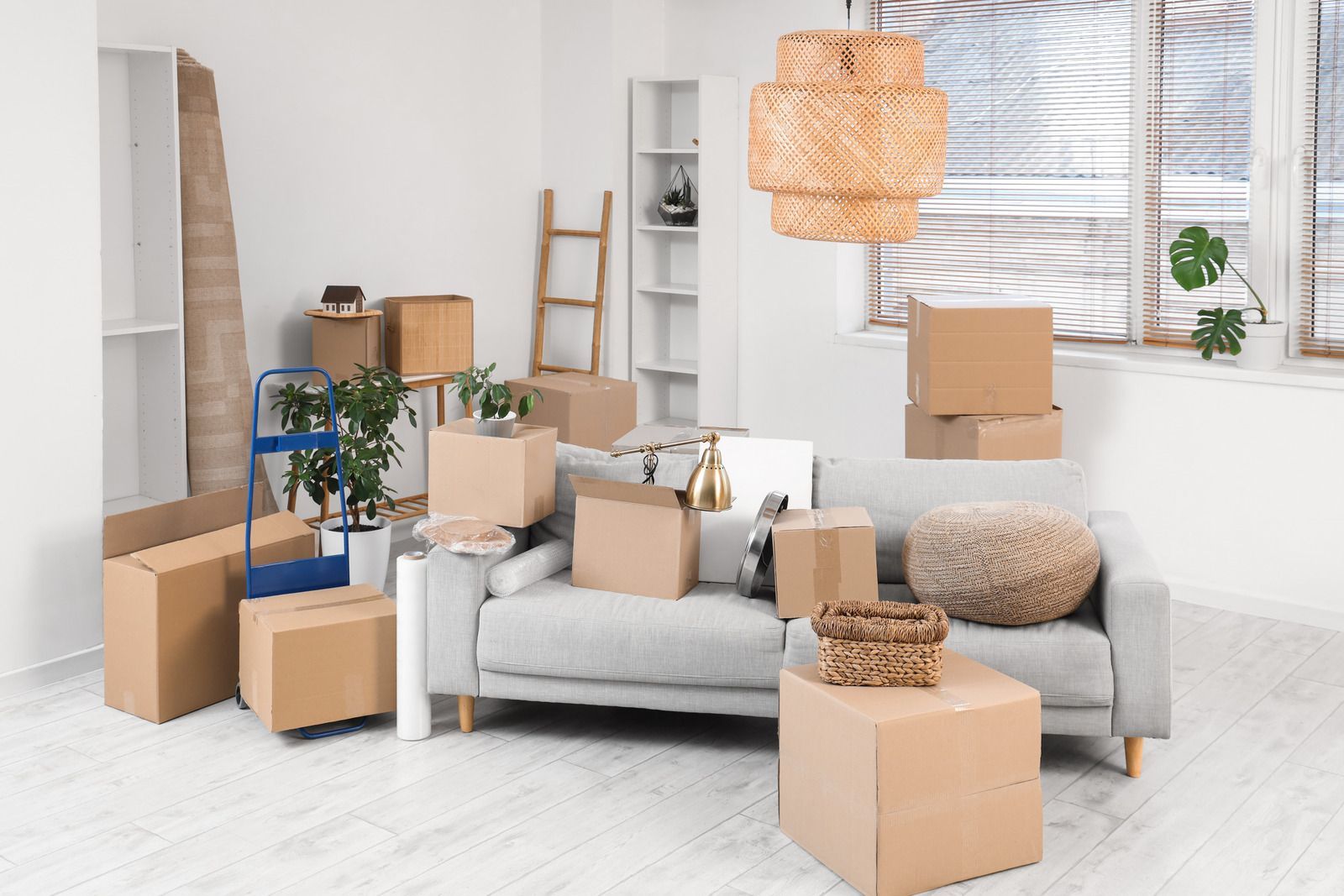
Moving to a new home or business location is an exciting milestone, but it often comes with unexpected challenges that can complicate even the most carefully planned relocation. One of the most common issues people encounter is managing belongings during transitional periods when move-in and move-out dates do not align perfectly. Delays in construction, closing dates, lease agreements, downsizing decisions, or renovation projects can create situations where items need a temporary place to stay. This is where storage solutions become an important part of the moving process. Rather than rushing decisions or overcrowding a new space, storage options provide flexibility and security while helping maintain organization throughout the relocation journey. They also provide a practical way to keep valuable possessions protected while allowing movers to focus on other important aspects of the transition. As relocation timelines become increasingly complex, access to dependable storage can help prevent unnecessary stress and logistical complications.
The moving industry has evolved significantly to address the changing needs of homeowners, renters, and businesses. Modern
storage solutions offer more than extra space; they provide convenience, protection, and peace of mind during periods of uncertainty. Whether storing furniture for a few weeks, safeguarding valuable possessions during renovations, or creating breathing room while unpacking, the right storage strategy can make a substantial difference. Understanding when and why storage may be necessary helps individuals make informed decisions, reduce stress, and keep their move on track while protecting belongings and preserving valuable time during a major life transition. Storage services can also help improve overall moving efficiency by reducing clutter and creating a more organized relocation process. By incorporating storage into a moving plan when needed, individuals gain greater flexibility and control over every stage of their move.
Understanding the Role of Storage During a Move
Why Storage Has Become a Common Moving Tool
Storage is no longer viewed as a last-minute solution reserved for emergencies. Today, it serves as a strategic resource that helps people navigate complex moving timelines and changing living situations. Many relocations involve variables outside a person's control, making flexibility essential.
Storage facilities and portable storage options provide temporary space where belongings can remain safe until the next phase of a move is ready. This flexibility allows people to avoid rushed decisions while maintaining better control over the relocation process.
How Storage Supports Better Organization
A move involves coordinating packing, transportation, scheduling, and settling into a new location. Storage creates an additional layer of organization by reducing clutter and separating items based on priority.
For example, seasonal decorations, rarely used furniture, and archived documents can be stored temporarily, allowing easier access to essential belongings during the transition. This approach simplifies unpacking and creates a more manageable moving experience.
Situations Where Storage Solutions Become Necessary
Delayed Move-In Dates
One of the most common reasons for using storage is a gap between leaving one property and gaining access to another. Real estate transactions, construction delays, and rental scheduling conflicts can create temporary housing situations.
Rather than transporting belongings multiple times, storage provides a secure location where items can remain until the new property is ready. This minimizes unnecessary handling and reduces the risk of damage.
Downsizing to a Smaller Space
Many families and individuals choose to move into smaller homes, apartments, or retirement communities. While downsizing offers many benefits, deciding what to keep can take time.
Storage provides an opportunity to evaluate possessions gradually rather than making immediate decisions under pressure. Furniture, family heirlooms, and sentimental items can be stored while determining how they fit into the new space.
Home Renovations Before Moving In
Purchasing a property that requires renovations is increasingly common. Flooring replacements, painting projects, kitchen updates, and structural improvements are often easier to complete before furniture arrives.
Using storage during renovations protects belongings from dust, debris, moisture, and accidental damage. It also provides contractors with more room to work, helping projects progress smoothly.
Types of Storage Solutions Available
Traditional Self-Storage Facilities
Self-storage facilities offer individual units in various sizes for short-term or long-term use. These facilities allow direct access to stored belongings whenever needed.
Benefits include:
- Flexible rental agreements
- Multiple unit sizes
- Enhanced security measures
- Convenient accessibility
- Cost-effective storage options
Self-storage works well for people who may need regular access to stored items throughout the moving process.
Climate-Controlled Storage Units
Certain belongings require additional protection from environmental conditions. Climate-controlled storage maintains stable temperature and humidity levels throughout the year.
Items that benefit from climate control include:
- Wooden furniture
- Electronics
- Artwork
- Musical instruments
- Important documents
- Antiques
For long-distance moves or extended storage periods, climate-controlled environments help preserve the condition of valuable possessions.
Portable Storage Containers
Portable storage containers offer flexibility by bringing storage directly to a property. Items can be loaded at a convenient pace before the container is transported to a storage facility or destination.
This option reduces handling because belongings are packed once and remain in the same container until delivery. Many homeowners appreciate the convenience and efficiency portable storage provides during busy moving schedules.
Benefits of Using Storage During Relocation
Reducing Moving Day Stress
Moving day often involves numerous tasks competing for attention. Coordinating transportation, managing timelines, supervising loading, and handling paperwork can become overwhelming.
Storage helps reduce pressure by allowing some belongings to be moved separately from the primary relocation. This creates a more manageable workload and decreases last-minute complications.
Protecting Valuable Possessions
Certain items may not have an immediate place in a new home or office. Leaving these belongings exposed to crowded conditions increases the risk of damage.
Storage provides a secure environment designed to safeguard possessions until appropriate space becomes available. Security features such as surveillance systems, gated access, and individual locks add another layer of protection.
Creating Flexibility During Uncertain Transitions
Life events often introduce uncertainty into relocation plans. Job transfers, family changes, property transactions, and construction projects may alter timelines unexpectedly.
Storage solutions provide flexibility that allows plans to adapt without disrupting the entire move. Having a temporary location for belongings creates options when circumstances change.
Best Practices for Using Storage Successfully
Choose the Right Unit Size
Selecting an appropriately sized storage unit prevents unnecessary expenses while ensuring sufficient space for belongings. Taking inventory before renting helps estimate storage needs accurately.
A unit that is too small can create accessibility challenges, while a unit that is too large may increase costs without providing additional value.
Pack for Long-Term Protection
Proper packing techniques play an important role in protecting stored items. Durable boxes, protective wrapping materials, and secure labeling systems help maintain organization and prevent damage.
Best practices include:
- Using sturdy packing supplies
- Labeling boxes clearly
- Disassembling large furniture
- Elevating items off the floor
- Leaving pathways for access
These precautions improve both safety and convenience.
Create an Inventory System
Maintaining a detailed inventory reduces confusion and makes retrieving items easier. Digital spreadsheets, photographs, and inventory applications can help track stored possessions.
Knowing exactly where items are located prevents unnecessary searching and improves efficiency throughout the moving process.
Avoiding Common Storage Mistakes During a Move
Waiting Until the Last Minute
One of the biggest mistakes people make is arranging storage only after a problem arises. Availability can become limited during peak moving seasons, making advance planning important.
Researching options early allows for better pricing, greater selection, and improved scheduling flexibility.
Ignoring Security Features
Not all storage facilities offer the same level of security. Before selecting a storage provider, evaluate features such as surveillance cameras, lighting, access controls, and on-site management.
Choosing a secure facility helps protect valuable possessions and provides greater peace of mind.
Storing Items Without a Plan
Randomly placing items into storage often creates frustration later. Organized packing and clear labeling make retrieval easier and reduce unnecessary effort.
A strategic approach ensures that frequently needed items remain accessible while less important belongings can be stored toward the back of the unit.
Experienced Movers Delivering Confidence Throughout Your Move
When storage becomes part of a relocation plan, working with an experienced moving professional can make the process significantly easier. At Burke Moving Company, we understand the challenges that arise when moving timelines change, renovations take longer than expected, or additional space becomes necessary during a transition. With 15 years of experience serving Revere, MA, we have helped countless homeowners, families, and businesses navigate relocations with confidence while protecting valuable belongings throughout every stage of the move.
We recognize that every move presents unique circumstances, which is why we focus on providing dependable guidance and practical solutions tailored to specific needs. Whether additional storage is required for a short-term transition or as part of a larger moving strategy, we help create organized plans that reduce stress and support a smoother relocation experience. Our commitment to professionalism, attention to detail, and customer-focused service has earned the trust of individuals and businesses throughout the region. By combining moving expertise with a deep understanding of storage-related challenges, we continue to serve as a reliable resource for those seeking a secure, organized, and efficient path to their next destination.