Post-Move Home Setup: Essential Steps to Make Your New Space Your Own
Quick Answer: The first days after a move go smoother when you handle things in a specific order: check locks and safety devices before anything else, confirm utilities are actually working, unpack by room priority instead of by box number, solve storage for your home's actual layout, and update your address where it matters most. Skipping straight to decorating before these basics are handled is how a new house stays half-unpacked for months.
The truck pulls away, the door shuts, and suddenly it's just you standing in a room full of boxes that all look the same from the outside. That first hour alone in a new place is a strange mix of relief and overwhelm. You made it. Now what?
Most people's instinct is to start unpacking whatever box is closest, or to hang a picture just to make the place feel less like a storage unit. That instinct isn't wrong, exactly, but it's out of order. A handful of things need attention before decorating even enters the picture, especially in a Boston-area home where narrow stairwells, street parking, and older wiring all shape how the first week actually goes.
Do the Safety Walkthrough Before You Do Anything Else
Before a single box gets opened, walk the whole place and check the basics. Test every smoke detector and carbon monoxide alarm, not just the one in the hallway, since older triple-deckers sometimes have units on different circuits or ages depending on when each floor was last updated. Try every exterior door and window lock, especially if you're not the first tenant or owner to have keys cut for this address. If you're moving into a multi-family building, confirm which breaker panel actually controls your unit, because in older Boston triple-deckers that's not always obvious or clearly labeled.
None of this takes long, and none of it is exciting. But finding out a smoke detector's dead battery three weeks in, after you've already forgotten to check, is a worse way to learn than doing it on day one while you've still got a ladder or step stool out from moving day anyway.
Confirm Utilities Are Actually Working, Not Just Scheduled
Having utilities scheduled to start and having them actually work are two different things, and the gap between them shows up at the worst possible time, usually the first cold night. Run the heat, even briefly, even in warm weather, just to confirm the system responds. Check hot water at more than one fixture. Flip breakers to confirm the panel is labeled accurately, or at least start labeling it yourself if it isn't, since you'll want that information the first time something trips.
Internet and cable setup often gets scheduled for a few days after move-in, which means the first few nights are quieter than usual. That's not necessarily a bad thing. It's one less distraction while you're tackling the rest of this list.
Unpack by Room Priority, Not by Box Number
Boxes rarely get packed and labeled with unpacking order in mind, which means unpacking in whatever sequence the boxes happen to be stacked wastes a lot of energy on rooms that don't matter yet. Set up the bedroom and bathroom first. A made bed and a stocked bathroom turn a chaotic house into a place you can actually sleep and function in, even if the living room stays a maze of boxes for another week.
Kitchen comes next, but it doesn't need to be fully unpacked to be usable. Getting plates, a couple of pots, basic utensils, and the coffee maker accessible covers most of what you need for the first few days. Everything else, the seasonal serving dishes, the appliances you use twice a year, can wait until the pace slows down.
Making Storage Work in a Home That Wasn't Designed for Your Stuff
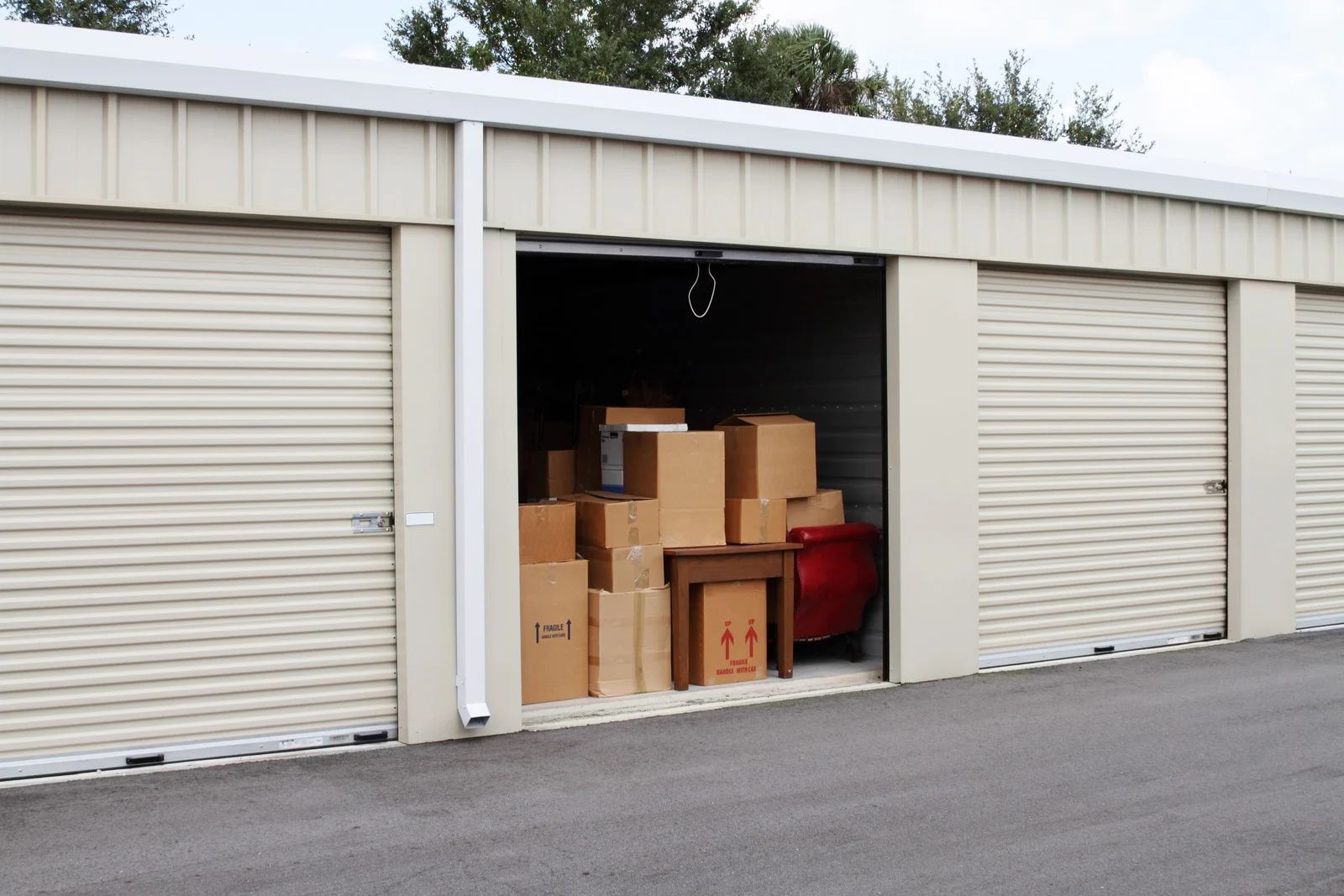
Older housing stock around here, especially triple-deckers and pre-war multi-families, tends to come with shallow closets, no basement storage for tenants, and layouts built for a household with a lot less stuff than the average family owns today. Trying to force your old storage system into a new floor plan usually backfires within the first month.
Tip: Before buying new storage solutions, live with the space empty of your old assumptions for a few days. Walk through each room and notice where the awkward corners and dead space actually are, rather than defaulting to whatever storage setup worked in your last place. A closet that was perfect for hanging clothes in one home might work better as pantry overflow in another, depending on where the kitchen sits relative to it.
Vertical space does a lot of heavy lifting in smaller units. Wall-mounted shelving above doorways, over closet rods, or along stairwells captures storage that floor-level furniture can't reach, which matters more in a building where every square foot of floor space is already accounted for.
Watch the Stairs and Landings While You're Still Unpacking
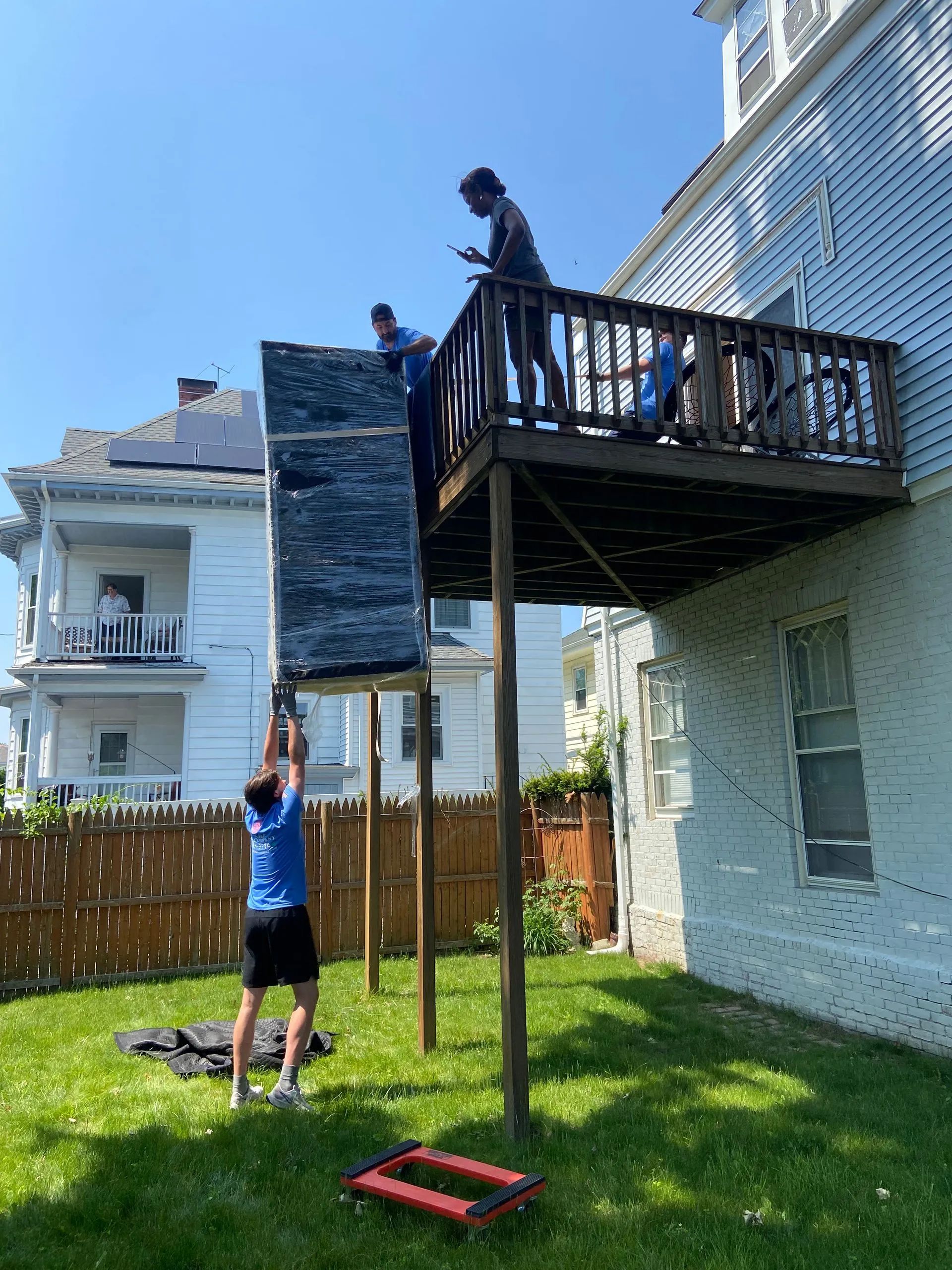
Warning: Narrow stairwells and tight landings, common in older triple-deckers, are where most moving-day injuries actually happen, and that risk doesn't disappear once the movers leave. If you're still hauling heavy furniture, appliance boxes, or awkward items like bookshelves up a steep or turning staircase yourself in the days after the move, take it slow and never carry something that blocks your view of the steps below you.
Update Your Address Where It Actually Matters
Mail forwarding through the post office covers the basics, but it's not instant and it's not complete. Prioritize your bank, employer, insurance provider, and anywhere tied to your car registration or license, since those are the ones that cause real headaches if a piece of mail gets lost in the forwarding gap. Everything else, from streaming subscriptions to loyalty programs, can wait until you've got a slower afternoon to work through the list.
Get to Know the Block Before You Need To
Trash and recycling schedules vary block by block in a lot of these towns, and getting it wrong the first week usually means a full bag sitting out an extra week. The same goes for street parking rules and snow-emergency parking bans once winter sets in. Learning these details before you need them, rather than after a ticket or a missed pickup, saves a frustrating first impression of the new neighborhood.
Take a walk around a few blocks in each direction during your first weekend, not just to the nearest grocery store. You'll spot the things a map doesn't show, which side of the street gets shoveled first after a storm, where the closest hardware store is for the inevitable "why doesn't this fit" moment, and whether the neighbors already know each other well enough that introducing yourself early is worth doing.
Introducing yourself to whoever lives on the other floors of a multi-family house is worth doing sooner rather than later, too. In a triple-decker, you're sharing walls, a driveway, and sometimes a trash area with people who've usually lived there longer than you have. A quick conversation early on tends to answer half the practical questions you'd otherwise spend weeks figuring out on your own, from which spot in the driveway is actually yours to how the building handles a delivery when nobody's home.
Plan Around the Season You're Moving Into
Moving into a Massachusetts home in the fall or winter adds a layer most people don't think about until the first cold snap. Confirm the heating system actually reaches every room before you're relying on it overnight, and locate the water shutoff valve in case a pipe gives you trouble during a hard freeze. If your new place has a driveway or front walk, figure out where you'll store a shovel and ice melt before the first storm, not during it. None of this needs to happen the first day, but it's worth handling before the weather forces the issue.
Settling In Is a Process, Not a Weekend
A new home rarely feels fully like yours after one weekend of unpacking, and that's normal. The boxes get emptied faster than the sense of familiarity does. Give it time to catch up. Most of what makes a space feel like home isn't the furniture arrangement. It's the small, boring stuff, knowing which cabinet has the coffee filters without thinking about it, knowing which stair creaks, knowing the fastest way out the door on trash day.
Frequently Asked Questions
How long does it usually take for a new house to feel like home?
It varies by person, but most report the shift happening between four and eight weeks in, once daily routines like storage locations and commute patterns stop requiring conscious thought.
Should I change the locks even if the previous owner or tenant handed over all the keys?
It's worth considering, especially in a multi-family building or a home with a longer rental history, since you can't always know how many copies were made or who might still have one.
What's the first thing I should unpack if I only have a couple of hours before I need to stop for the day?
Bedding and bathroom essentials, in that order. Being able to shower and sleep comfortably makes everything else about unpacking feel less urgent and more manageable the next day.
How do I figure out trash and recycling day in a new neighborhood?
Most cities and towns post collection schedules by street or zone on the municipal website. Check directly rather than assuming it matches your old address, since schedules vary block by block.
Is it normal for storage to feel tighter in a new place even with the same amount of stuff?
Yes, especially between homes of different ages or layouts. Older houses often have less built-in storage than newer construction, so tight-feeling storage usually points to a layout mismatch, not clutter.
Making the First Week Actually Work for You
Settling into a new home isn't about rushing through boxes as fast as possible. It's about handling things in an order that actually protects you, checking safety devices, confirming utilities, unpacking the rooms that matter most first. Skip that order and the house stays half-functional for weeks, even if it looks decorated. Follow it, and the chaos of moving day fades into something manageable within days instead of dragging on through an entire season.
Burke Moving Company
has spent 15
years helping families move into homes throughout Revere, MA, navigating everything from narrow triple-decker stairwells to New England winters. Getting the first week right often comes down to having the right support during the physical parts of the process, so the mental list of priorities doesn't get buried under heavy furniture and awkward staircases. A smoother move-in start tends to shape how quickly the rest of the house comes together.